.png)
Your Body's Night Shift: What Kicks In After You Fall Asleep
- Dec 15, 2025
- 2 min read
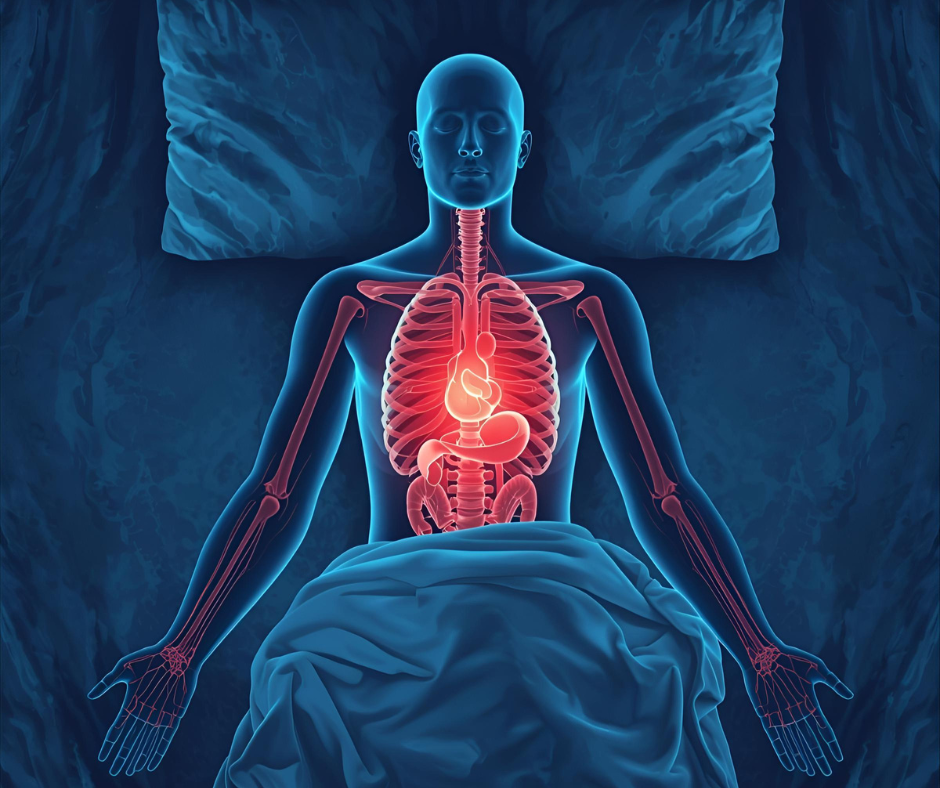
Once you drift off to sleep, your body does not simply shut down. Instead, it shifts into an active overnight mode that focuses on repair, regulation, and restoration. This behind the scenes process, often called your body’s night shift, plays a major role in physical health, brain function, and emotional balance. Understanding what happens after you fall asleep can help you see why quality sleep is essential for feeling your best.
What Happens During Your Body's Night Shift
As soon as you fall asleep, your brain and body begin coordinating a series of important tasks. Hormone levels change, energy is redirected, and repair systems become more active. Each stage of sleep supports a different part of this night shift process.
During sleep, your body works to:
Repair muscles and tissues damaged during the day
Release growth hormone that supports healing and recovery
Strengthen the immune system to fight illness
Regulate blood sugar and metabolism
Balance stress hormones like cortisol
These processes allow your body to recover so you wake up refreshed and ready for the day.
How Your Brain Works While You Sleep
While your body rests, your brain stays busy. During sleep, your brain organizes memories, clears out waste products, and processes emotions. This mental cleanup helps improve focus, learning, and mood.
Deep sleep supports physical restoration, while lighter sleep stages help with memory and creativity. REM sleep plays a key role in emotional regulation and problem solving. All of these stages work together to support overall brain health.
Why the Night Shift Matters for Daily Health
When your body’s night shift is interrupted by poor sleep or irregular schedules, important repair processes can suffer. Over time, this can affect energy levels, immune function, concentration, and emotional well-being.
Consistently getting enough quality sleep helps:
Improve daytime focus and mental clarity
Support a healthy immune response
Regulate appetite and metabolism
Reduce stress and improve mood
Lower the risk of chronic health conditions
Sleep is not optional maintenance. It is essential care for your body and brain.
Frequently Asked Questions
Q: How many hours of sleep does my body need for proper repair?
A: Most adults need seven to nine hours of sleep each night to fully support the body’s overnight repair and recovery processes.
Q: Does my body still benefit if I sleep lightly?
A: Yes, but deeper stages of sleep are especially important for physical repair and immune support. Consistent sleep routines help improve sleep quality.
Q: Can naps replace nighttime sleep?
A: Short naps can help boost energy, but they do not fully replace the benefits of a full night of sleep.
Supporting Your Body’s Night Shift
Understanding your body’s night shift highlights just how much work happens after you fall asleep. Prioritizing sleep gives your body the time it needs to repair, reset, and protect your long-term health.
At Cline Medical Group, we help patients improve sleep, manage fatigue, and support overall wellness. Call us at (606) 637-2334 to schedule your appointment and learn how better sleep can improve your health from the inside out.
Comments